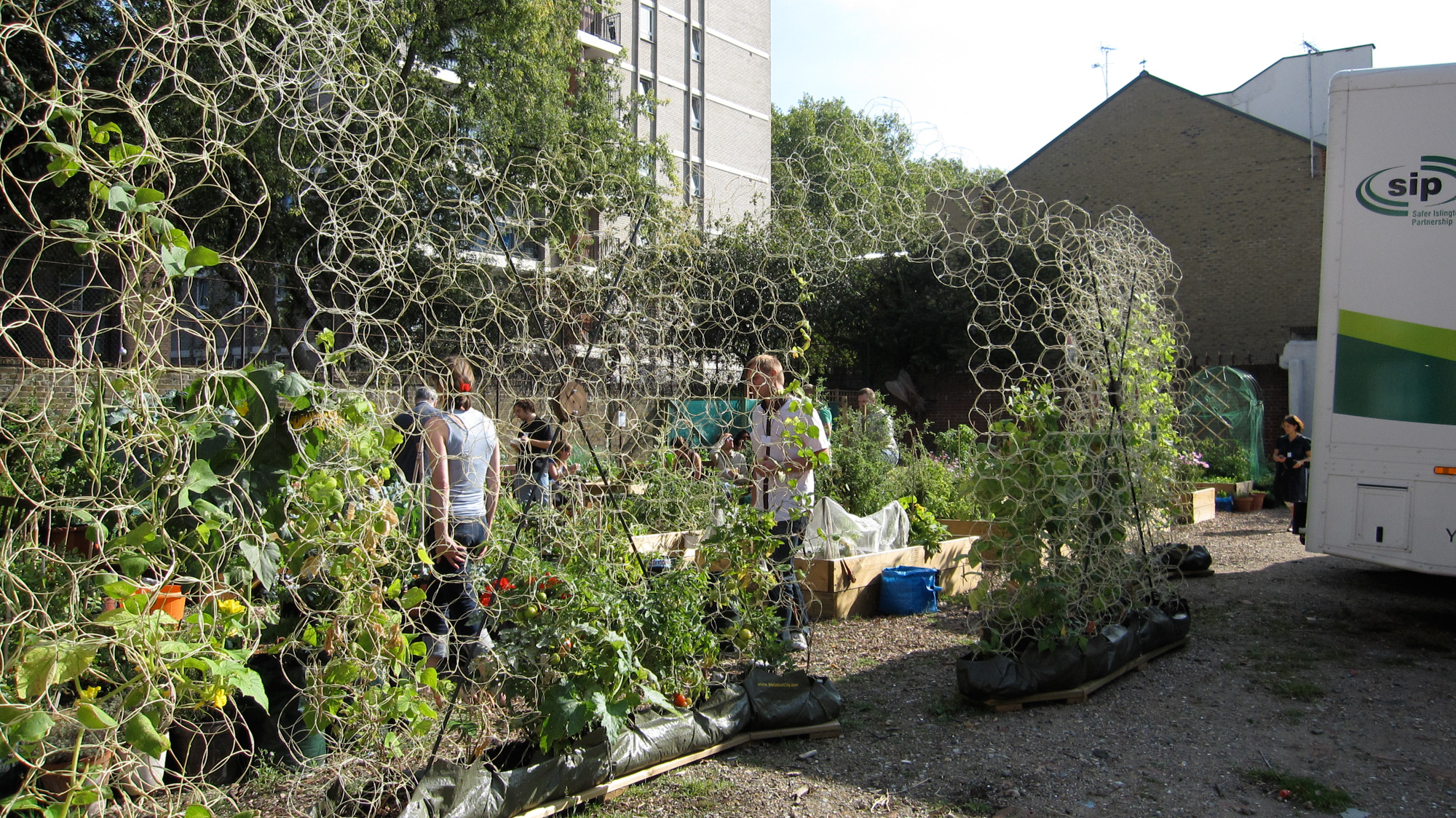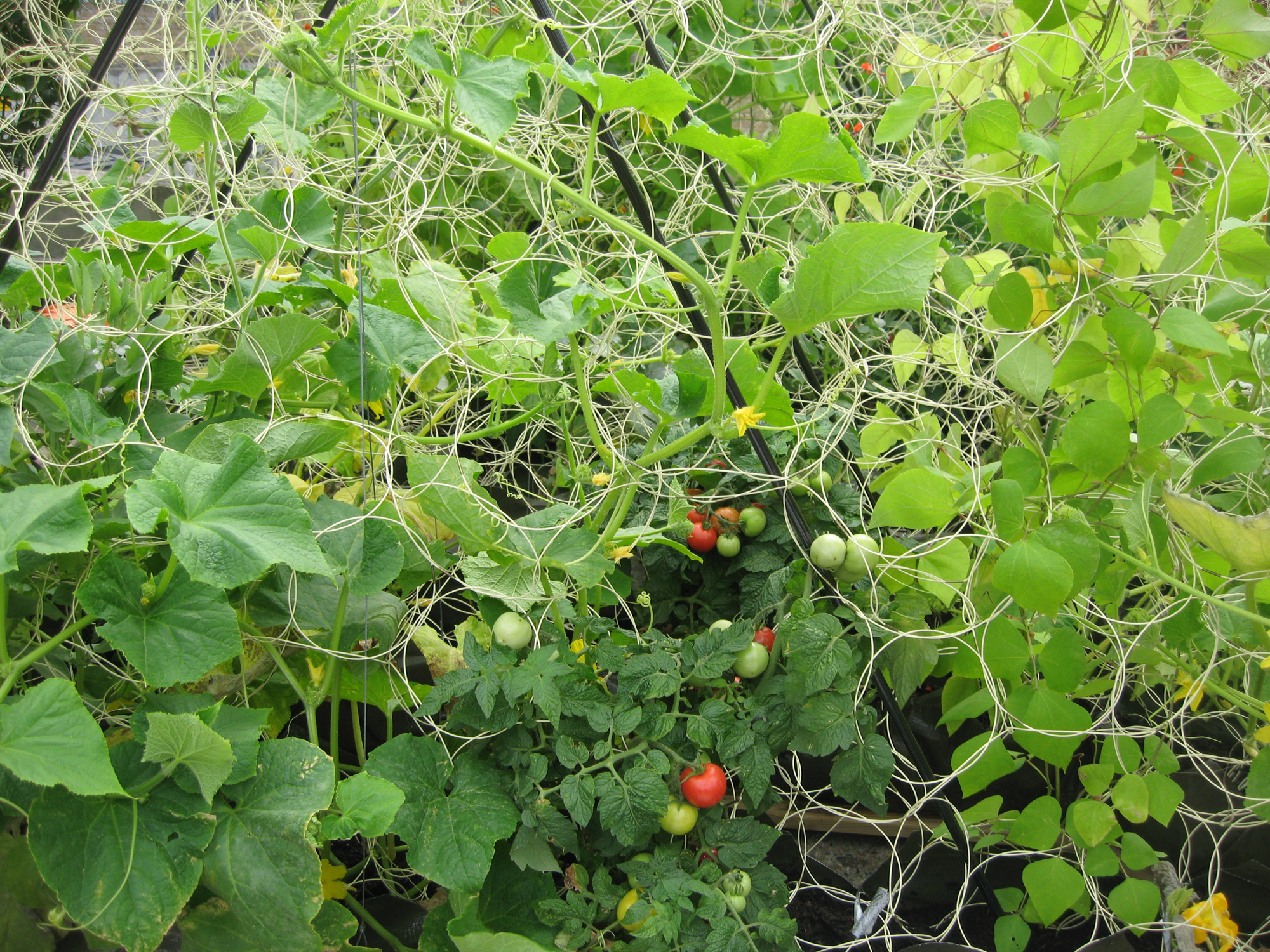
MetaboliCity is a vision of a city that metabolizes its resources and waste to supply its inhabitants with all the nourishment they need and more. The project started as a design research study together with Dr. Hannah Jones of Goldsmith University based at Central Saint Martins and funded by the Audi Design Foundation, yet it grew into a long term initiative and passion.
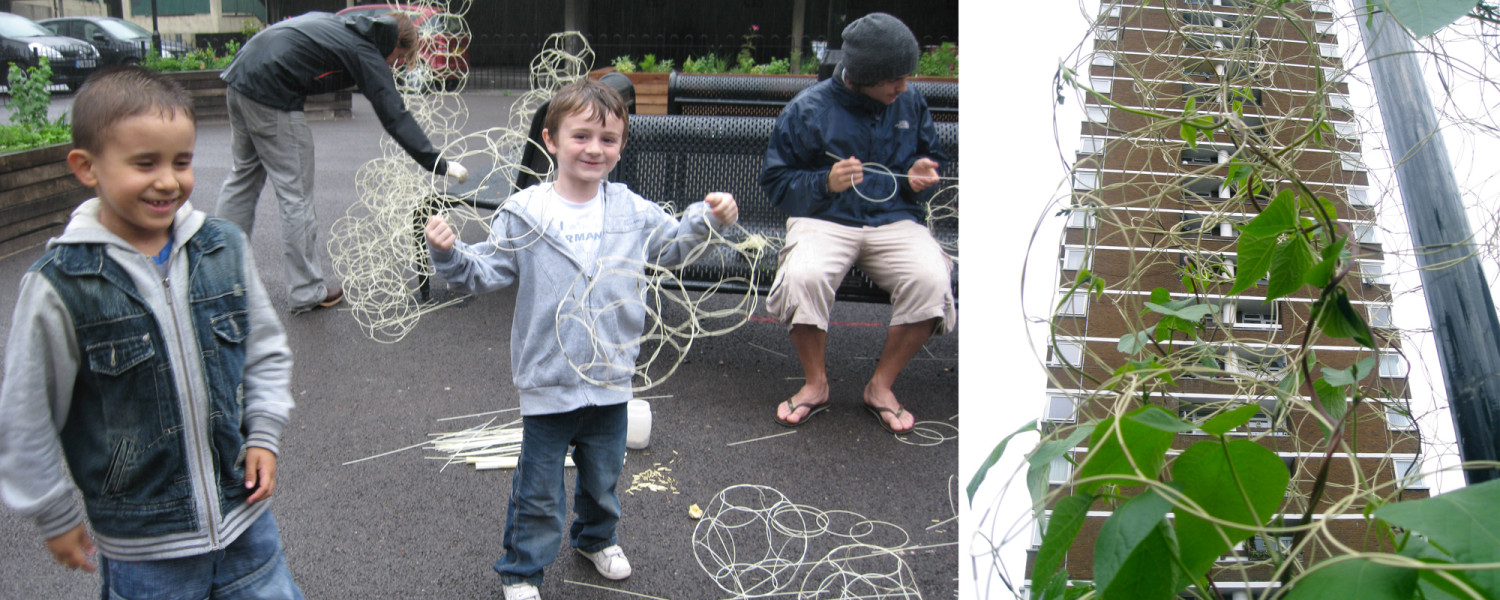
This was a unique experimental and participatory design research project that explored low cost solutions to integrate hi-tech NASA agricultural techniques into the fabric of the built environment.
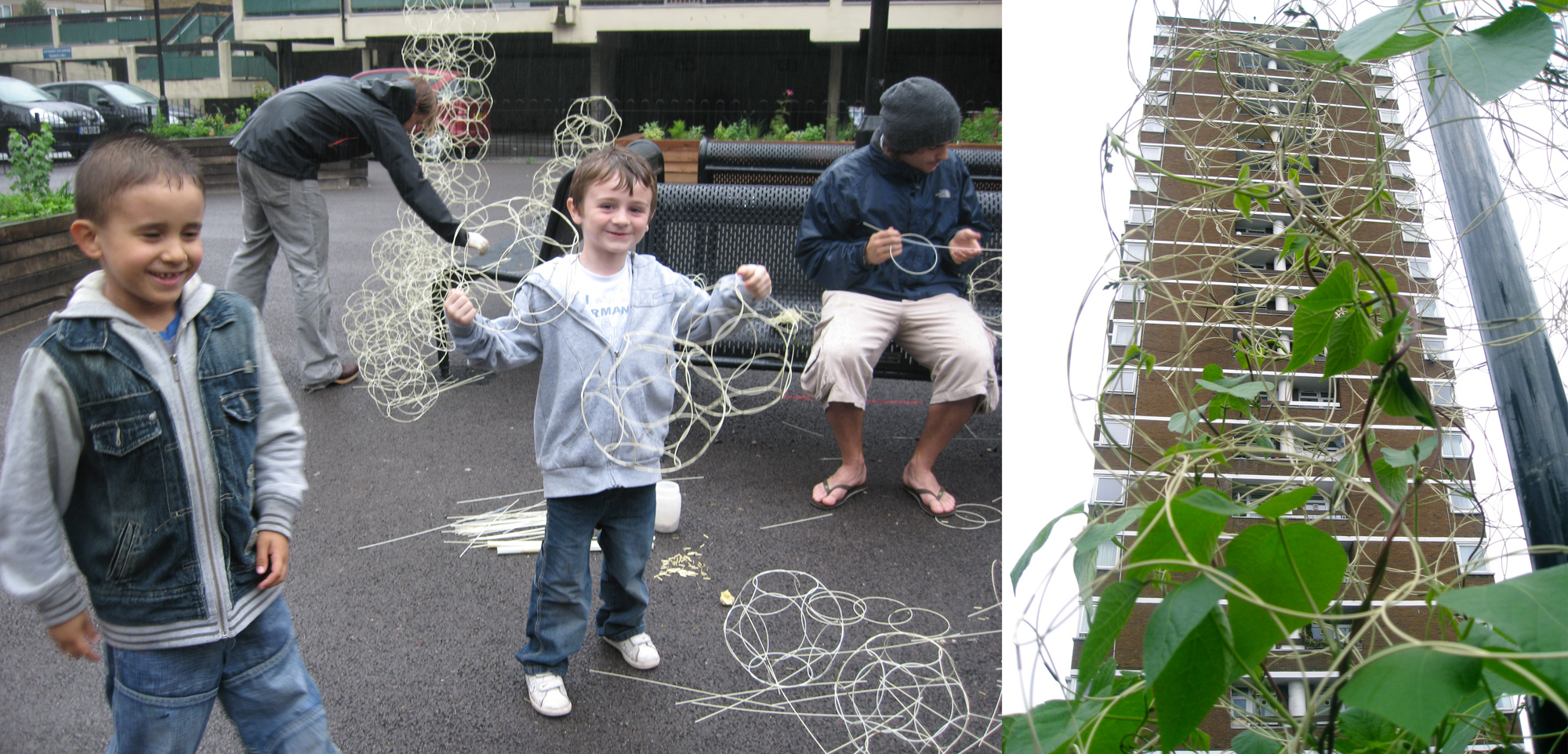
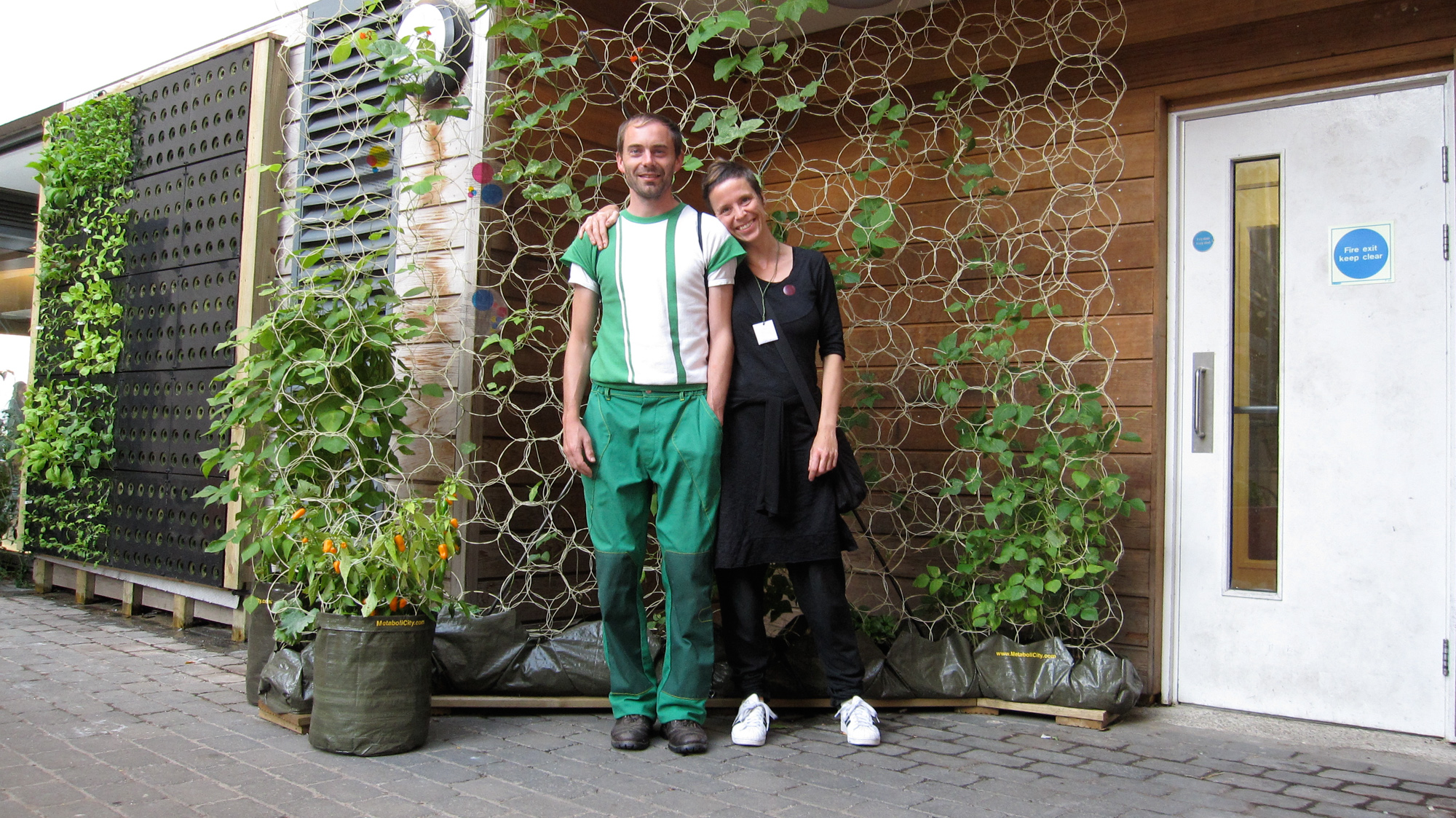
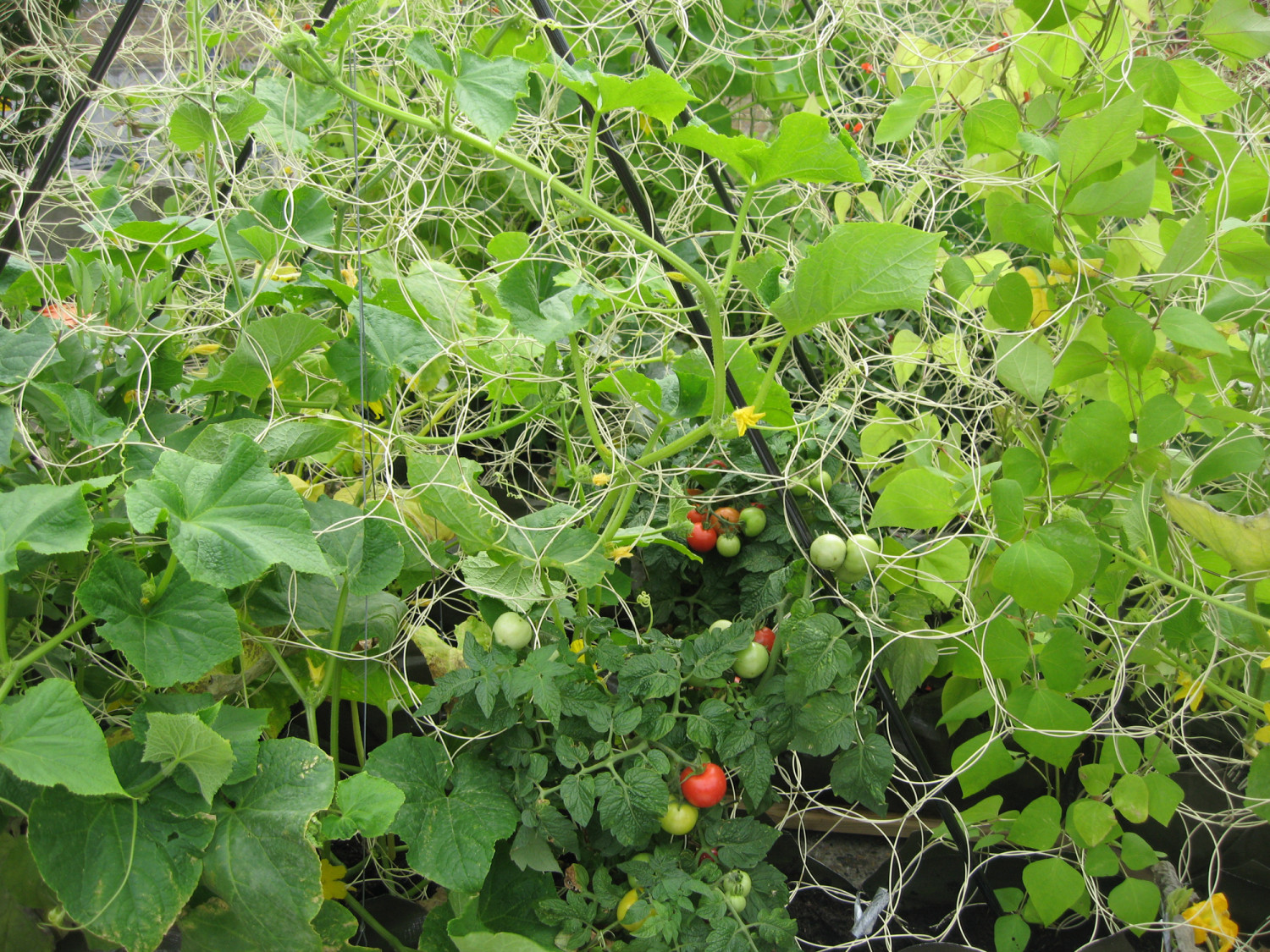
MetaboliCity is about empowering people to grow food in the most challenging of urban spaces, be it indoor window farms or vertical green cladding that clings to the buildings. Design studio Loop.pH has been developing lightweight, architectural structures together with soilless growing techniques for the project. The rigid 3D lace provides support for plants and irrigation and can be retro-fitted to buildings or become free standing vertical gardens for indoor or out.
The agenda is driven by how design can be used to bring about positive change. Recognizing that it is social innovation and open collaboration that is needed to address some of the most pressing problems of today. Rather than favoring single solutions for diverse and complex problems the outcome of MetaboliCity is a diverse portfolio of solutions to empower city-dwellers to create sustainable human habitats.
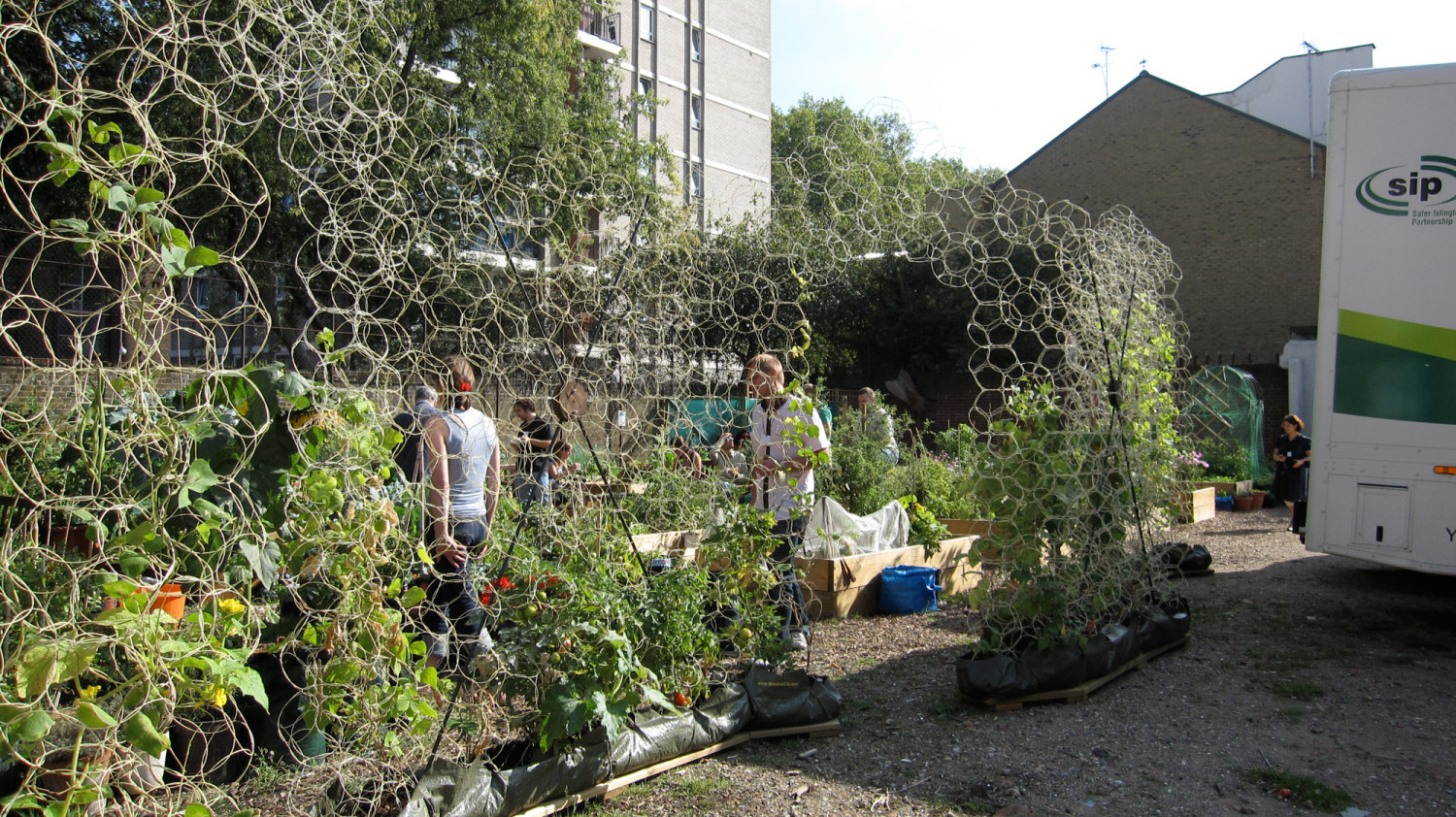
MetaboliCity is a vision of a city that metabolizes its resources and waste to supply its inhabitants with all the nourishment they need and more.
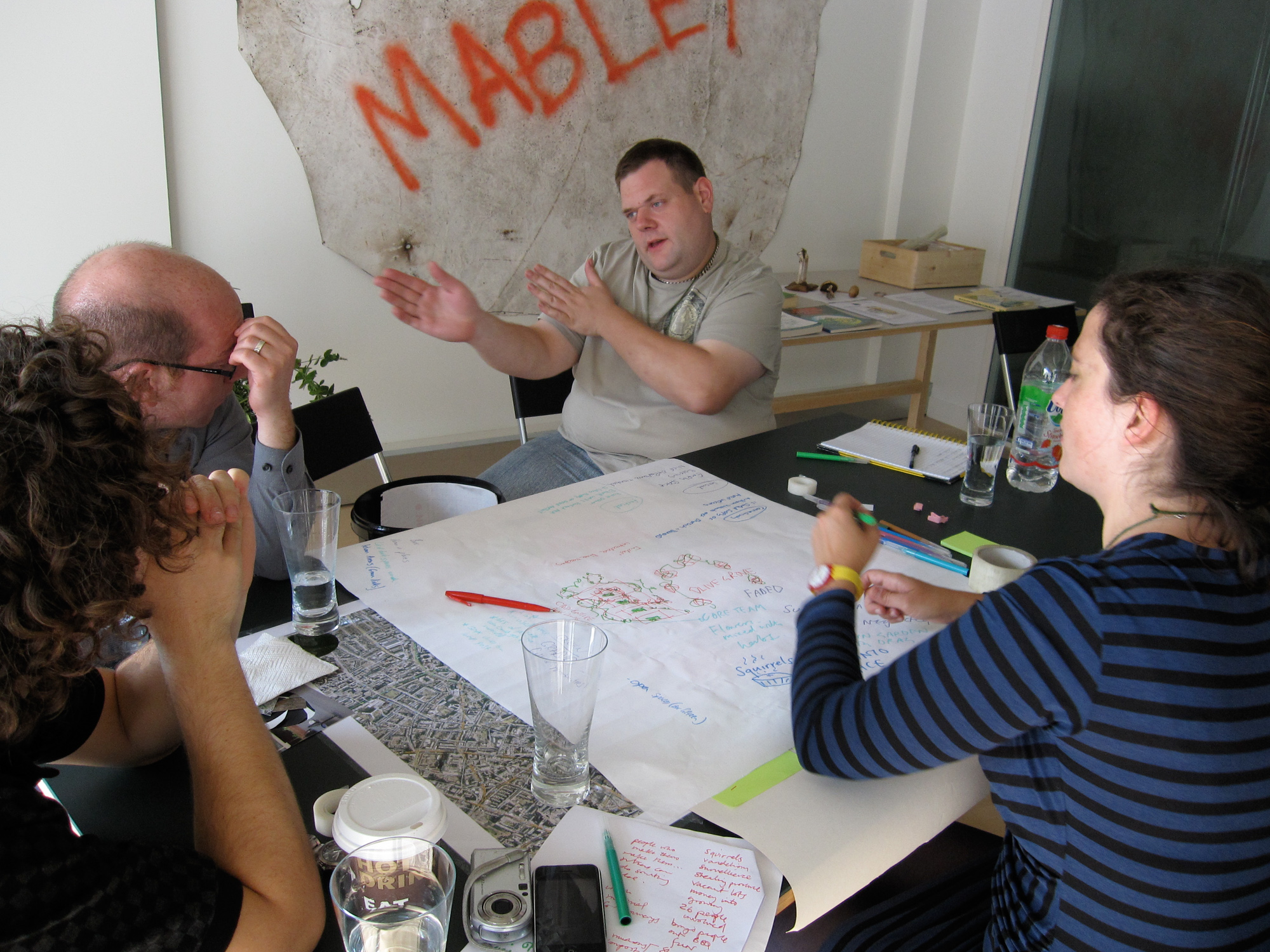
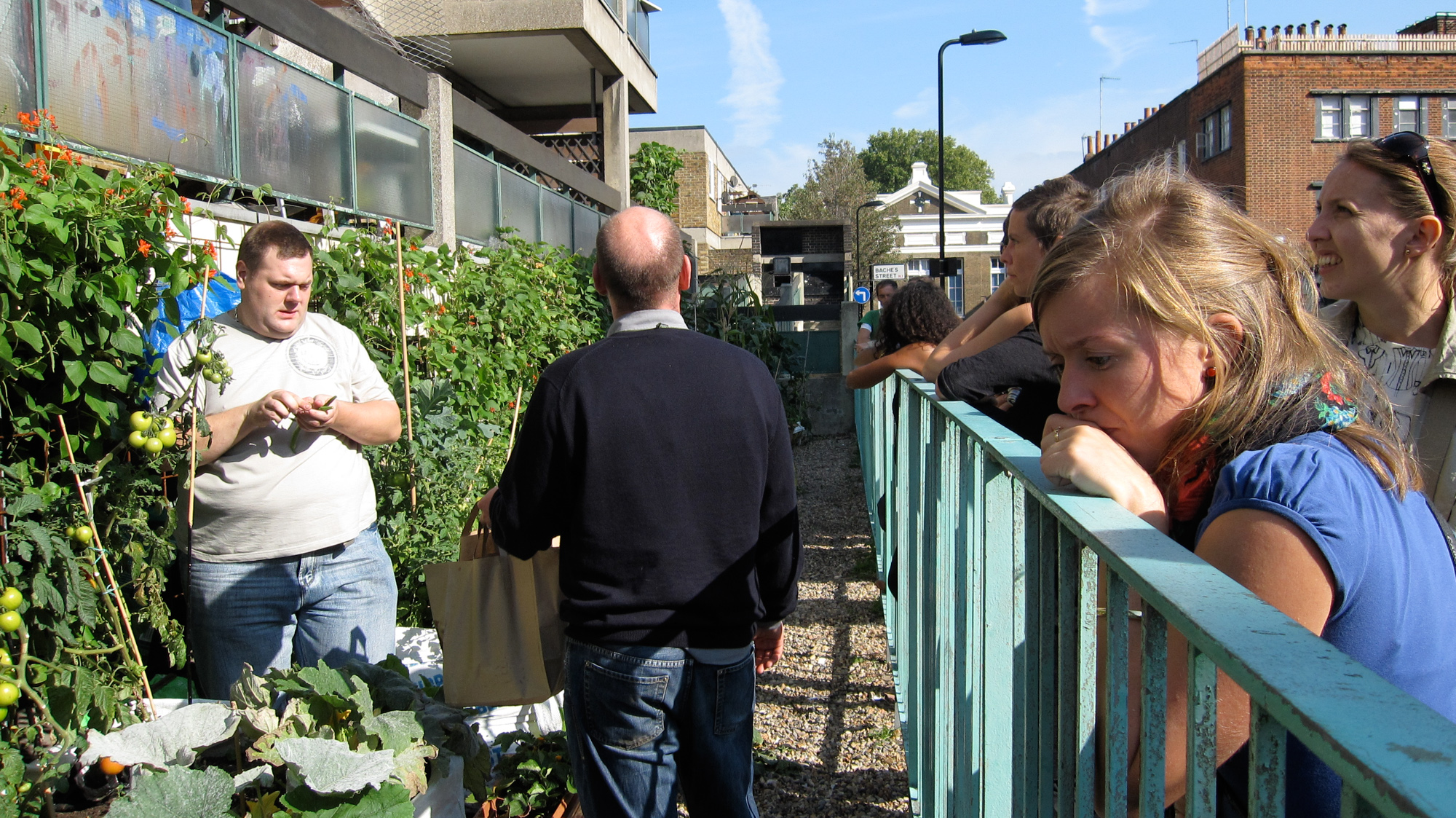
The project explores how designers can work in multiple ways, taking on different roles within an interdisciplinary context, mediating between experts and amateurs in the field of urban agriculture and regeneration. The initial case study, based at Central Saint Martins, School of Art and Design, is to test the feasibility of urban agri-tecture kits with a broad spectrum of participants that covers four main city activities for small-scale amateur growing; Restaurants, Community and public spaces, Workplaces such as offices and schools and Housing both social and private.
The role of the designer in this project is that of a facilitator, mediator and co-researcher working alongside the participants, offering designerly ways of thinking, documenting and crafting within each case. A new collective imagination of the city is cultivated through workshops and the weaving and planting of temporary grow spaces within each of these local contexts. The participants of MetaboliCity share their experiences via a collaborative online platform to create a live journal for the project and knowledge ecology. This is a dynamic space to document activities, create a library of resources and support discussions.
MetaboliCity is a vision of a city that metabolizes its resources and waste to supply its inhabitants with all the nourishment they need and more.